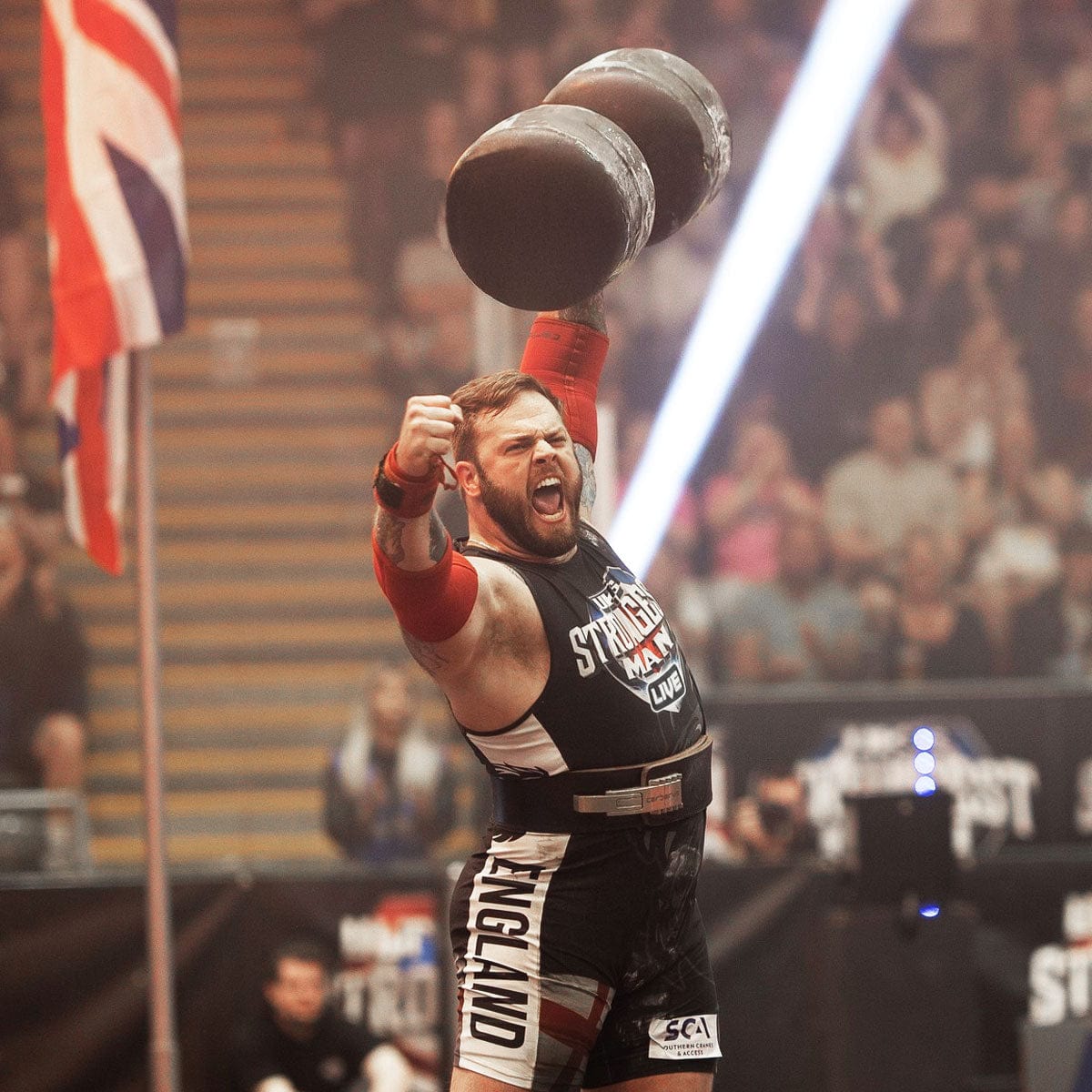



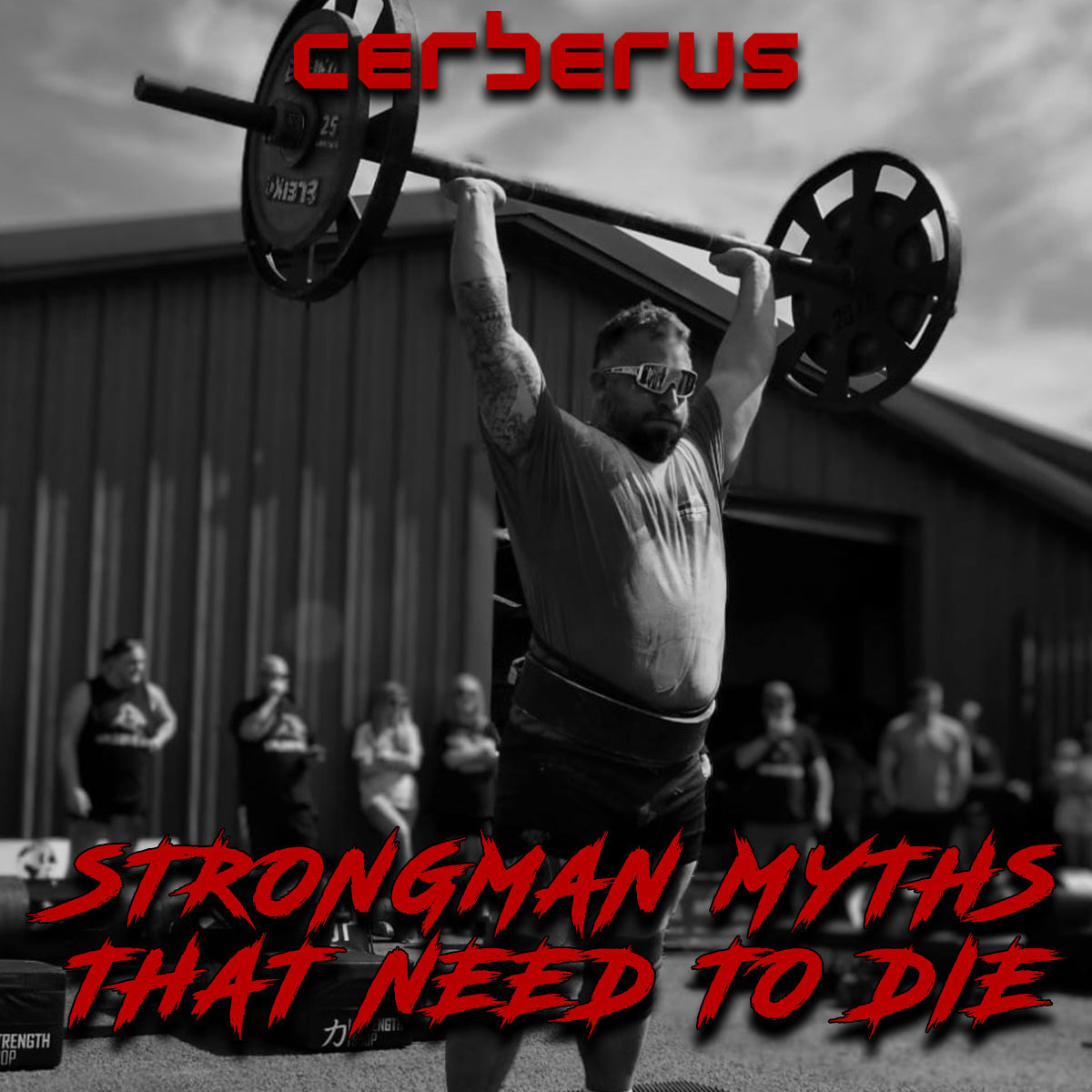
Strongman has always carried an aura of chaos and brutality. Giant athletes lifting impossible weights, carrying refrigerators, flipping tyres, and dragging trucks across car parks. From the outside, it looks like pure madness.
Because of that image, strongman is surrounded by myths — some harmless, some completely wrong, and some that actively stop people from training intelligently.
The truth is, strongman isn’t just about being big and reckless. At its best, it’s one of the most practical, demanding, and rewarding forms of strength training there is.
Here are some of the biggest strongman myths that need to disappear.
Myth #1: “You Have to Be Huge to Train Strongman”
This is probably the biggest misconception in the sport.
People assume you need to weigh 150kg, eat six pizzas a day, and barely fit through doorways before you can even touch a sandbag.
Reality is very different.
Modern strongman has lightweight, middleweight, masters, and novice divisions. More importantly, you don’t need to compete at all to benefit from strongman training.
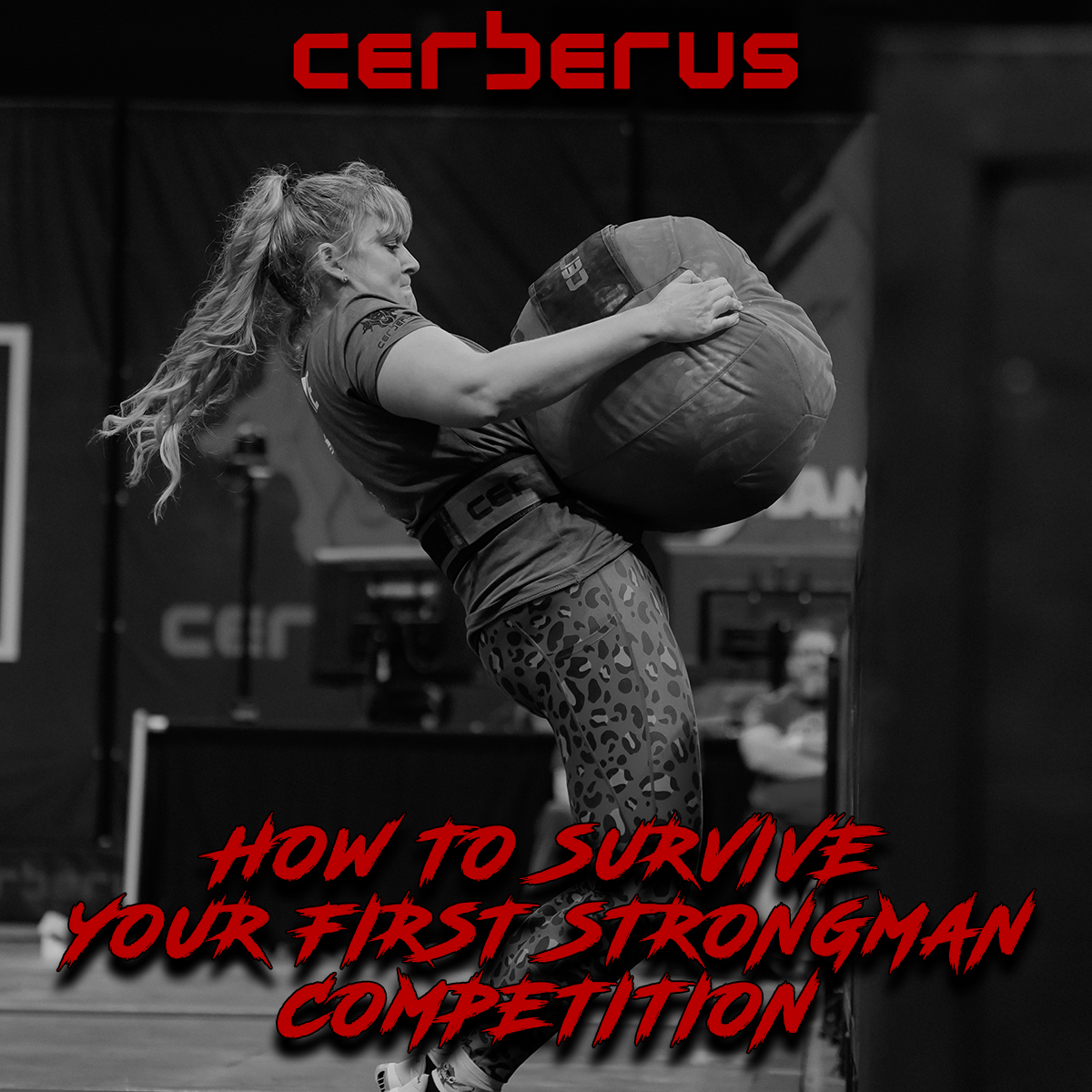
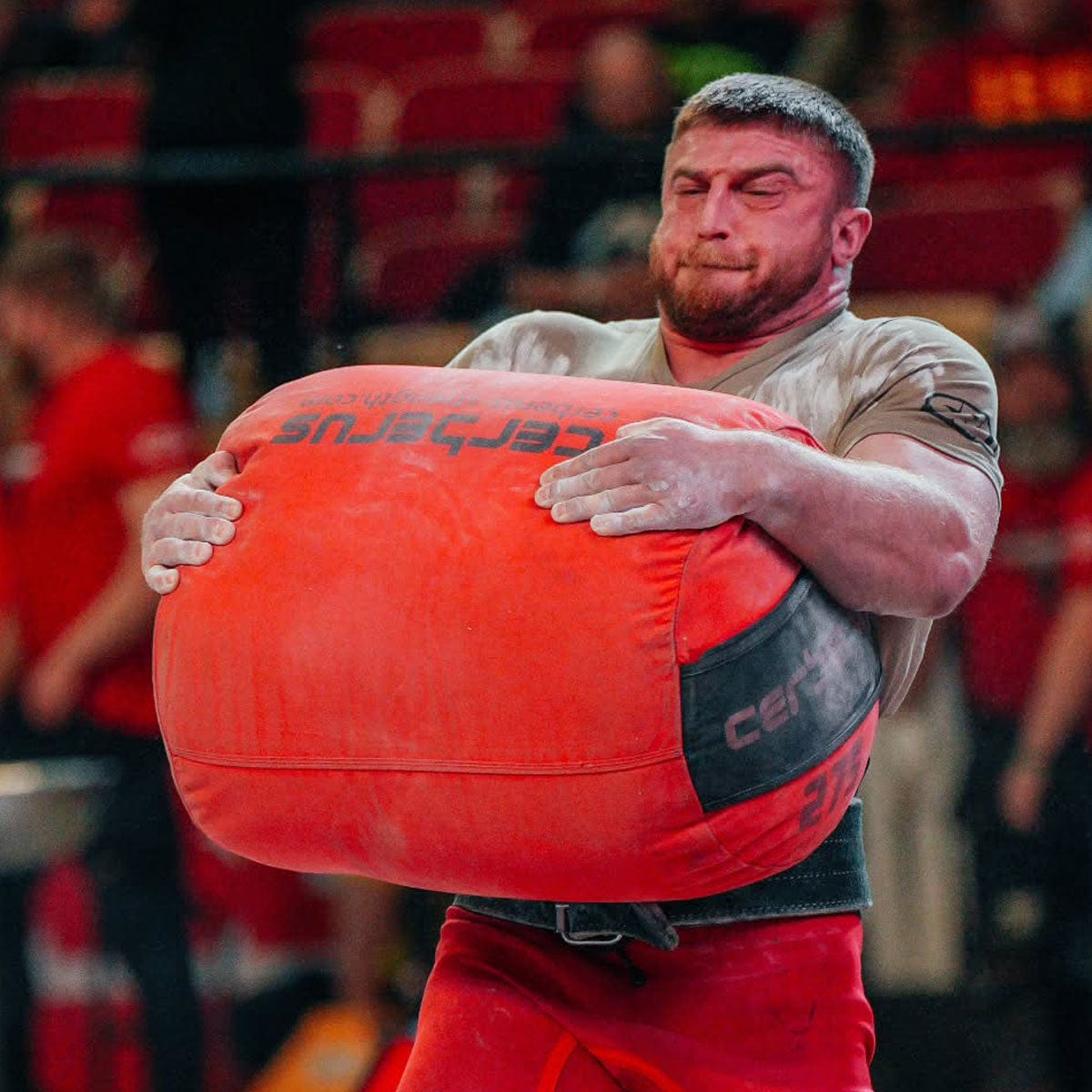
Carries, drags, sandbags, sleds, and odd-object lifting build strength, fitness, and resilience for almost everyone.
Strongman training scales incredibly well:
- A beginner can carry a light sandbag
- An advanced athlete can carry 180kg
- The Movement pattern is still valuable
Strongman isn’t reserved for giants. It’s reserved for people willing to work hard.
Myth #2: “Strongman Athletes Are Just Fat”
This one usually comes from people who confuse body composition with athleticism.
Yes, some heavyweight strongmen carry significant body fat. That’s partly strategic. Absolute strength often benefits from higher bodyweight.
But calling strongmen “just fat” ignores reality:
- They move massive weights dynamically.
- They possess elite work capacity.
- Man have exceptional mobility and coordination.
- Their cardiovascular conditioning is far better than most gym goers realise.
Watch a medley event or a fast yoke run and tell me those athletes aren’t conditioned.
The average person struggles carrying shopping bags upstairs.
Strongmen carry entire platforms at sprint pace.
Myth #3: “Strongman Is Dangerous”
Any physical activity carries risk.
Football tears ACLs.
Running destroys knees for some people.
Powerlifting causes injuries.
Even sitting at a desk all day wrecks bodies over time.
Strongman isn’t uniquely dangerous — bad training is dangerous.
The biggest issue is that social media often glorifies max-effort stupidity:
- maximal lifts every session,
- awful fatigue management,
- ego lifting
- no conditioning
- terrible recovery habits.
Good strongman training is actually highly adaptable:
- submaximal carries,
- sandbag work,
- sled drags,
- conditioning circuits,
- controlled event practice.
Done intelligently, strongman can build a more durable body than many machine-based gym programs ever will.
Myth #4: “Strongman Training Is Just Random Chaos”
To outsiders, it can look like people are simply making workouts up on the spot.
Flip a tyre.
Carry a thing.
Throw another thing.
Collapse dramatically.
But high-level strongman programming is extremely structured.
Good strongman athletes carefully manage:
- fatigue,
- event rotation,
- recovery,
- intensity,
- movement overlap,
- conditioning,
- techincal pratice.
The sport looks chaotic because the implements are unconventional.
The training itself still obeys the same principles:
- progressive overload,
- specificity,
- recovery,
- adaptation.
The strongest athletes in the world don’t train randomly.
Myth #5: “You Need Fancy Equipment”
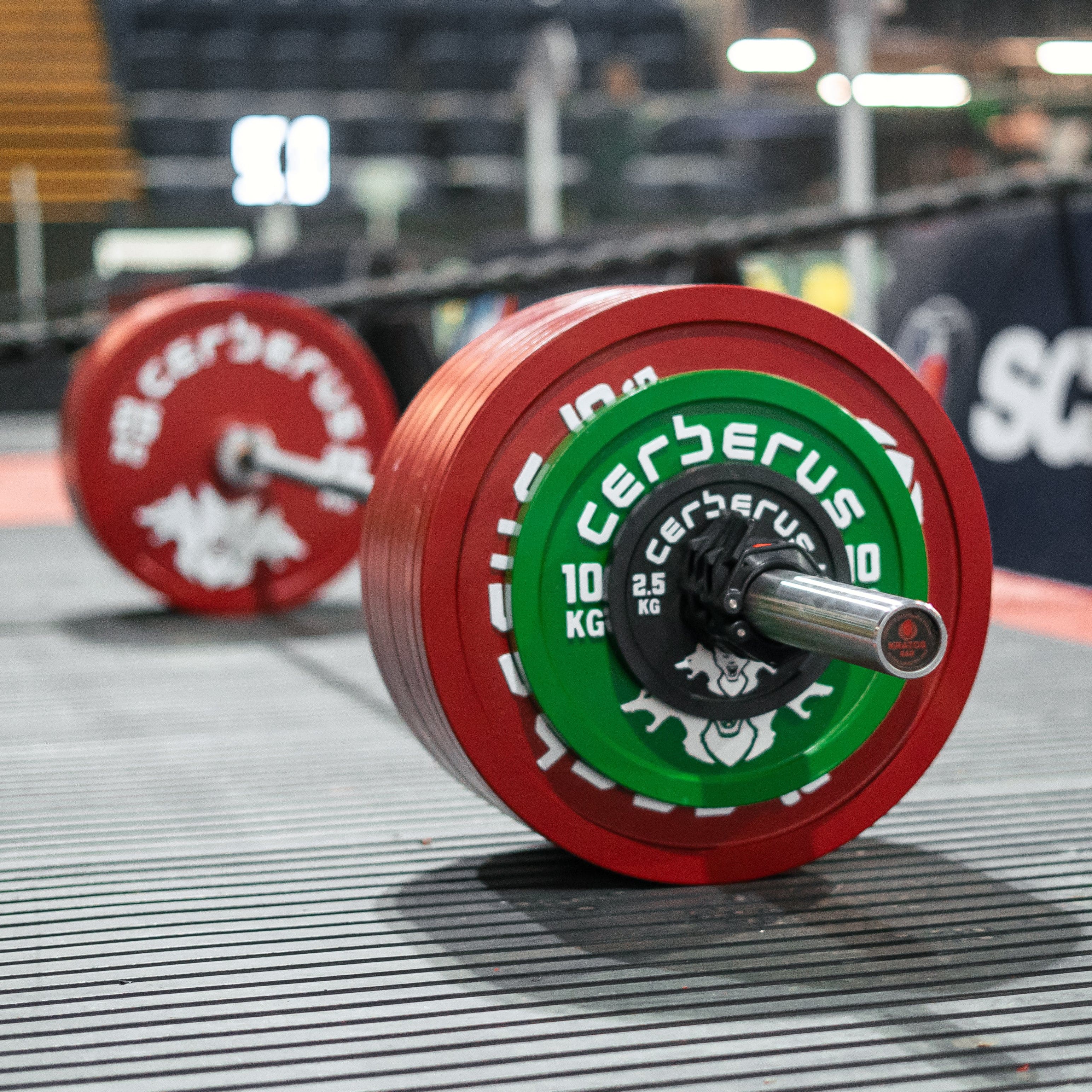
One of the best things about strongman is how little equipment you actually need.
People assume you need:
- atlas stones,
- custom logs,
- giant tyres,
- expensive calibrated equipment.
In reality, some of the best strongman training can be done with:
- sandbags,
- farmers handles,
- sleds,
- kettlebells,
- basic barbells,
- improvised carries.
Strongman originally grew from awkward, practical lifting — not polished commercial equipment.
The spirit of strongman has always been:
pick something up and move it.
That mindset matters more than owning specialist gear.
Myth #6: “Conditioning Doesn’t Matter”
This myth destroys more strongman competitors than lack of strength ever will.
Many lifters believe strongman is only about maximal force production.
Then they gas out 20 seconds into a medley.
Strongman is brutally demanding metabolically:
- repeated efforts,
- high heart rates,
- prolonged tension
- limited recovery,
- awkward breathing patterns.
Conditioning isn’t optional.
In fact, better conditioning often improves:
- recovery between events,
- training quality,
- body composition,
- work capacity,
- consistency.
A stronger engine lets you express strength more effectively.
Myth #7: “Strongman Wrecks Your Body”
Poor training wrecks bodies.
Poor recovery wrecks bodies.
Ignoring pain wrecks bodies.
Strongman itself isn’t the problem.
In many ways, odd-object lifting and carries build resilience that highly constrained machine training cannot:
- grip strength,
- trunk stability,
- coordination,
- connective tissue tolerance,
- movement capability.
The body adapts to challenges it experiences regularly.
Strongman exposes weakness quickly — but that can actually be a benefit when approached intelligently.
Myth #8: “Strongman Isn’t Functional”
This is one of the strangest criticisms.
Strongman may be the closest thing to real-world physicality in modern strength sports.
Real life isn’t symmetrical barbells and perfect balance.
Real life is awkward:
- carrying heavy objects,
- lifting unstable loads,
- moving under fatigue,
- bracing dynamically,
- generating force in imperfect positions.
Strongman trains all of that.
No, you probably won’t carry an atlas stone in daily life.
But you will benefit from being harder to physically break.
Final Thoughts
Strongman isn’t perfect.
Like any sport, it has bad programming, ego lifting, and people chasing extremes for social media attention.
But beneath the spectacle is something incredibly valuable:
- practical strength.
- resilience,
- work capacity,
- mental toughness,
- and a connection to physical effort that modern life desperately lacks.
Most people don’t need more machines. They need to carry something heavy, breathe hard, and discover what they’re actually capable of.